
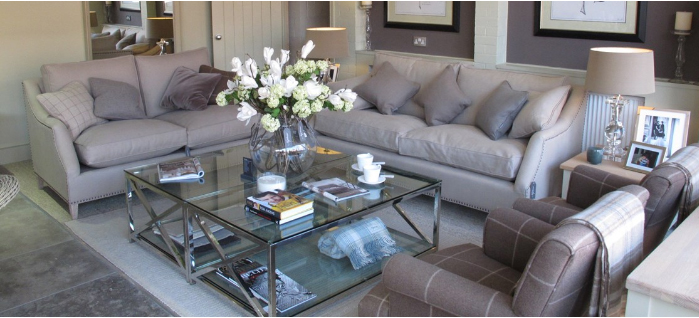
Choosing furniture for your home can be either enjoyable or a nightmare. It is hard to find comfortable and useful pieces that will show your personal style and create a cohesive interior. The job of choosing furniture needs careful consideration of a number of aesthetic and practical factors.
Furniture and its function
What role does a certain piece of furniture play in your house? Ask yourself what activities are performed in a room and whether certain furniture is needed. For instance, you need a bed in the bedroom, but a chair is not necessary.
Basic furniture in every room
Each space in your house has particular uses thus needing specific furniture. Every room should be organized according to the activities that are performed in it.
If you are starting to make your list of furniture, decide on the type you need by the room for which you are shopping. For instance, you can opt for bedside tables in your bedroom or forego them. Do you want a TV in your sleeping area? You can get the suitable furniture to place it on.
According to Teak Me Home, a dining room furniture SF based business, “buying furniture for your home is more than just a financial decision. It’s also an emotional investment”
Define your personal needs
Depending on the owner, an environment such as a bedroom has different needs. A single user bedroom only needs a single bed while a kid’s bedroom needs bunk beds. When two siblings are sharing a bedroom, you might need a larger surface for studying.
It is important to think about what the user really needs. Finding the right furniture for a room can make your daily life more comfortable.
Complementary furniture
To carry out complementary activities, additional pieces of furniture such as storage pieces are required for the maintenance of order. A room might need a large library if the inhabitants are book lovers or a TV cabinet for couch potatoes.
You can place a cabinet for the storage of utensils that are not used daily in dining rooms: glasses and china.
Dimensions, size, and shape
Once you define the necessary furniture, it is time to look into size and shape. Aesthetics, practicality, and available space should also be considered. Practical consideration is related directly to the function of a piece of furniture.
On the other hand, aesthetic considerations are directly related to the integrated space design. For instance, will the furniture be curved or straight? Does the space need low or high furniture?
Space determines the distribution and size of your furniture. Moreover, the physical space of a room and where furniture should be placed has to be taken into consideration: proximity to doors and window sizes.
Piece of furniture and style
The next point of reference when choosing furniture has to do with color, style, and aesthetics. Furniture has to complete the overall décor of the room and make a huge change in creating and achieving the visual effect you are looking for.
Materials
The material that your furniture is made from should also be considered as it determines the durability and appropriate integration of the decoration style. Furniture should be made from a material that suits its use. A glass table has an aesthetically appealing look, but it will not stand up against constant use in a house with kids.
Laminate or hardwood is the better choice when choosing durable dining room furniture. The same applies to fabrics: chenille is delicate and stains easily while faux leather is easy to clean and suitable for heavy use. You just need to choose the right materials.


